
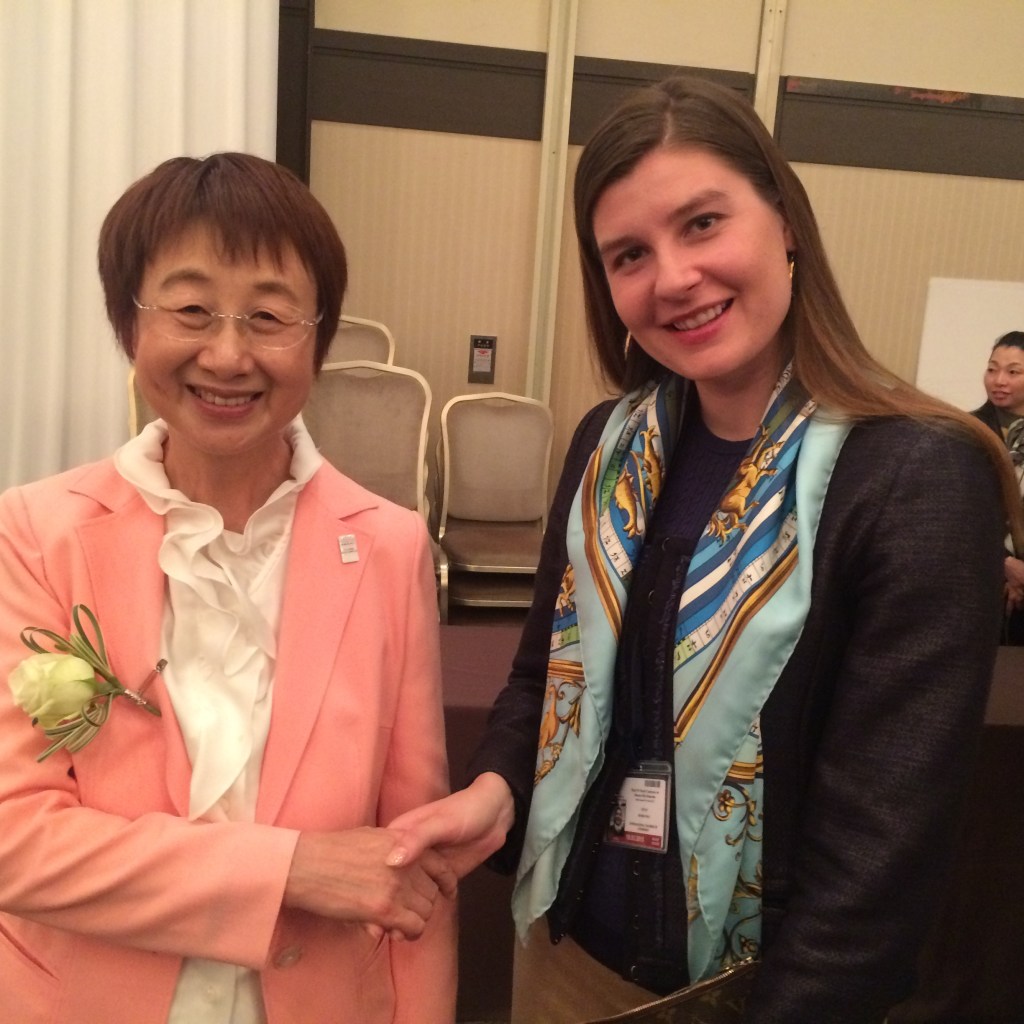
This month marks the anniversary of the cascading disaster that started with the Great Eastern Earthquake, triggering the tsunami and subsequent Fukushima nuclear meltdown that devastated northern Japan on March 11, 2011. On the occasion of the anniversary of this recent tragedy, the United Nations Office for Disaster Risk Reduction (UNISDR) hosted its third World Conference on Disaster Risk Reduction in Sendai, Japan. More than 6,500 participants from around the world attended with the admirable and ambitious goal of finalizing the Hyogo Framework for Action 2. This plan outlines United Nations (UN) member states’ commitments to promote resilience within the context of the post-2015 Sustainable Development Agenda. Now that the Sendai Framework for Disaster Risk Reduction: 2015- 2030 has been adopted, implementing it will require cross-sectoral and international cooperation on a daunting scale.
UNISDR initiated the post-2015 Sustainable Development Agenda to continue making progress as the 10-year timeframe for the initial Hyogo Framework for Action ends. Overall goals include scaling-up disaster risk reduction efforts that can be measured against development outcomes, emphasizing increased local and community outreach and ensuring considerations from all stakeholders are included. Advancing resilience worldwide through these types of global initiatives is imperative because disasters are affecting populations with unprecedented frequency and severity. Research published this month from the Centre for Research on the Epidemiology of Disasters (CRED) shows that climate-related disasters alone have more than doubled since the 1980s. Today, they account for more than 80% of all reported disasters worldwide.
In addition, the globalization that has allowed for advances in economic development to bring millions out of poverty has also created a nearly worldwide dependency network. A crisis that occurs on one side of the world may directly impact organizations on the other side. This interconnectivity increases the risk profile for all stakeholders and requires greater preparedness across sectors. With critical goals like disaster risk reduction and resilience, establishing a diverse coalition of committed stakeholders with a practical plan of action is essential. To support this endeavor, following are some key best practices for and observations on designing public-private partnerships for resilient development.
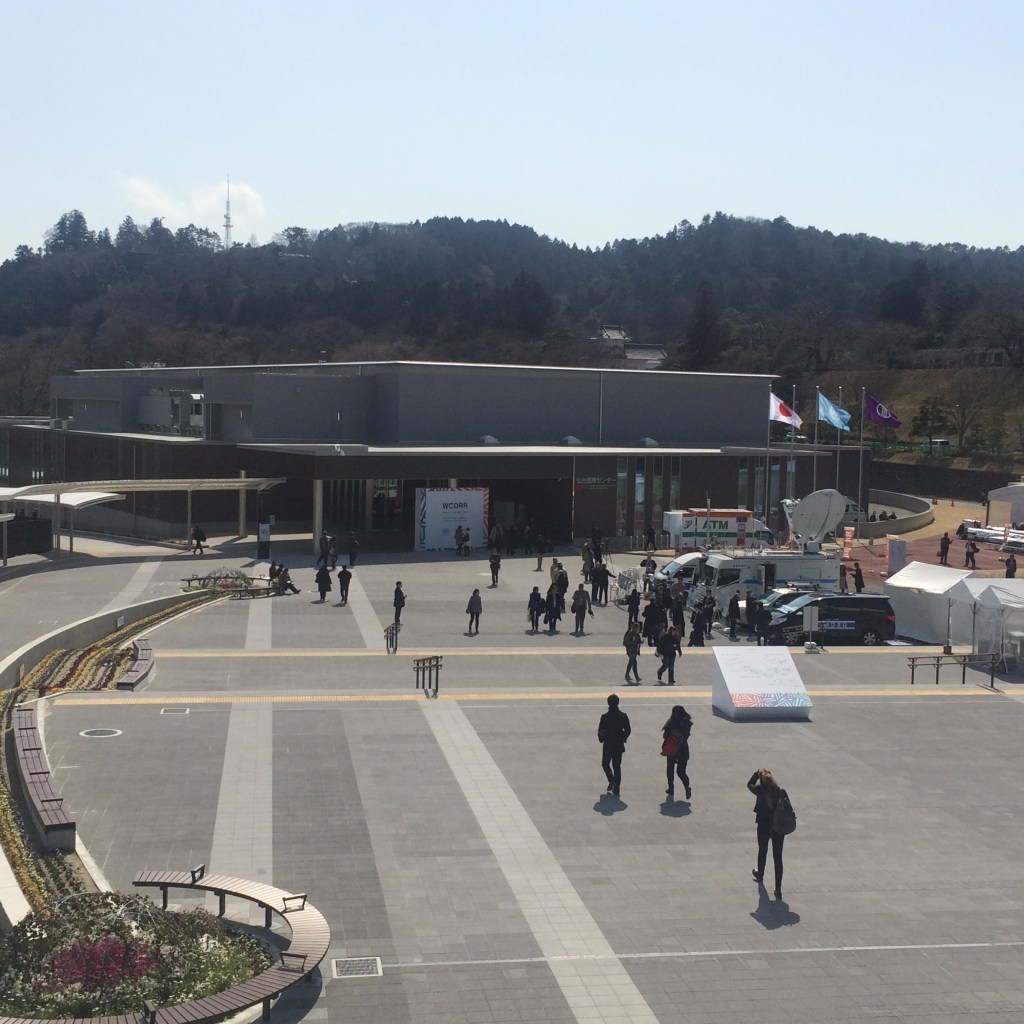
Recognize that disasters don’t respect national borders or sectoral boundaries.
The reality is that large-scale hazards do not respect manmade constructs, such as borders or property. For example, the tsunami that accompanied the Great Eastern Earthquake flooded more than 200 square miles of land across cities along Japan’s coastline. Ensuing disasters can affect anyone, anywhere, but the impacts can be lessened through proper planning, coordination, and cooperation.
The business continuity discipline is the private sector’s version of disaster risk reduction and should be integrated into the international community’s general strategy for sustainability. An organization should aim to be nimble in the face of any contingency, no matter the size. Business continuity helps companies prepare for dramatic large-scale hazards while aiding the critical yet mundane activity of running a lean business. It helps uncover alternate ways of accomplishing objectives and promotes a strategically flexible culture so that practices do not become rigid. Among other advantages, the public sector would benefit from the capacity development gained from learning this model and the private sector would benefit from public sector cooperation during large-scale response and recovery.
Make a partner a real partner.
The public sector and private sector are culturally different. While this may seem obvious in theory, in practice it poses challenges. It is all too easy to sign an agreement, obtain some positive feedback from the public and press, and then let a project languish.
Constant commitment is required from both sides to overcome this potential challenge with open communication about expectations and requirements. Both sides have much to gain from exposure to the working process of a different kind of entity and both partners bring a lot to a well-designed partnership. Trust should not be taken for granted — it must be earned and nourished. It may be necessary to work with a partnership consultant or other third party if the key personnel on both sides are not accustomed to cross-sectoral work. It may also help to collaborate on a specific project as a starting point rather than attempting broader cooperation right away.
Partners that prepare together, stay together.
Partners need to ensure that they have a plan in place and that they test it. The plan needs to include the full scope of affected stakeholders including organizations, governments, communities or societies, depending on the mandate of the partnership. Senior leaders from all organizations should be involved from the start, express their full support, and allocate sufficient resources to the partnership.
To prepare for an incident in advance, organizations should apply best practices:
- Conduct a risk assessment to identify hazards that may impact the organization. Assess organizational vulnerabilities to those hazards.
- Determine the impact of potential hazards. Then, create a good plan for operating under duress. The focus should be on the critical function or core mission of the partnership.
- Once a plan is in place, partners should practice implementing it through a system of testing and exercising. A post-exercise debrief should be conducted to determine what has been learned, the plan should be then be improved, and the cycle should recommence.
- It is important to include all individuals who could be affected by an incident. When something occurs, the first person to arrive on the scene will most likely be an ordinary citizen – a neighbor, family member, or coworker. Experts need to communicate their message and train the broader public affected by the partnership about some key best practices.
Don’t forget about small business.
After a high-profile disaster, there is a short window of opportunity for broad public support for change – it must be leveraged to promote resilience. We saw many successes in the Japanese response and recovery and it is rightly considered to be one of the most resilient nations worldwide. Some companies were able to restore operations incredibly quickly because they had implemented and tested full-scale business continuity plans prior to March 2011. Others showed their coping ability by partnering with businesses in the same industry to share facilities for a period of time.
Not all small businesses, however, fared as well in the aftermath of the earthquake and tsunami. From a private sector standpoint, the still unsolved systemic problem facing Japan is how to better promote small business resilience. Small businesses are embedded in most supply chains and are integral to the Japanese economy and many national economies worldwide. Civil society and governments often overlook small businesses in the response and recovery process because they are for-profit entities, but unfortunately they do not have the resources that medium and large businesses invest in preparedness.
Larger businesses can help these entities, their communities and ultimately themselves by identifying small businesses in their supply chain and including them in their planning and testing. The small businesses will gain from the best practices, expertise and resources of the larger organizations and the big businesses will gain by addressing potential gaps in their own process.
Private sector preparedness frees public resources for vulnerable communities.
Vulnerable communities are always the hardest hit during a large-scale disaster and it is important that the government deploys enough resources quickly enough to help them recover. If the private sector is adequately prepared, that will reduce the government burden and allow them to focus resources on the most adversely affected communities. It is essential that aid money is allocated and distributed in a timely and effective manner to those who need it most.
If the public sector has partnered with the private sector in advance, it will have a greater understanding of what those actors need from it in order to recover. This will help the public sector direct more time and resources to under-prepared entities when a disaster happens. Meanwhile, the private sector can help by restoring services to their communities as quickly as possible.
Beyond this first line of duty, many corporations are investing in ways that they can deploy their expertise and unique resources to aid public sector partners in an emergency. For example, a major retailer could assist a public agency to deliver emergency goods to a community in which they work. The retailer’s knowledge of logistics and the supply needs and buying habits of their customers in that particular community will be a more important resource than money alone.
Reducing the impact of disasters creates a more resilient and equitable world.
As part of its research, UNISDR releases an annual Global Assessment Report on Disaster Risk Reduction. The third inception of the report, published in May 2013, focused on private sector engagement and was appropriately titled, “From Shared Risk to Shared Value: The Business Case for Disaster Risk Reduction.” The report outlines the case for partnering with business as well as making the case to business for why it should be prepared.
As expressed in their own report, it is important that the UNISDR secretariat seeks to engage and learn from those organizations that have been successfully implementing these strategies for years and incorporate proven models. Partnering with private sector organizations to provide technical assistance and leadership for disaster risk reduction will provide a framework for success. Considering that writing policy inevitably moves at a slower pace than creating business process, policymakers should not work in a silo when they can learn from those individuals and organizations with experience in the field and use them as a resource. The private sector needs to be included in every stage of the process in order for it to be an asset rather than a potential detractor from the major goals of the initiative.
It is not possible to predict what the next big threat will be. Ultimately, the hazard itself is beyond the control of either sector. What can be controlled is their preparation for it and reaction to it so that it does not result in a disaster for the affected community.
Society can and should be more resilient so that it can limit the impact of unforeseen events and bounce back from them. In order to facilitate this end goal, experts need to communicate the need to stay informed, be prepared, and plan for potential impacts. If the public and private sectors can collaborate to design a practical action plan for preparedness in Sendai and beyond, it could be possible to limit the impact of the next big disaster.
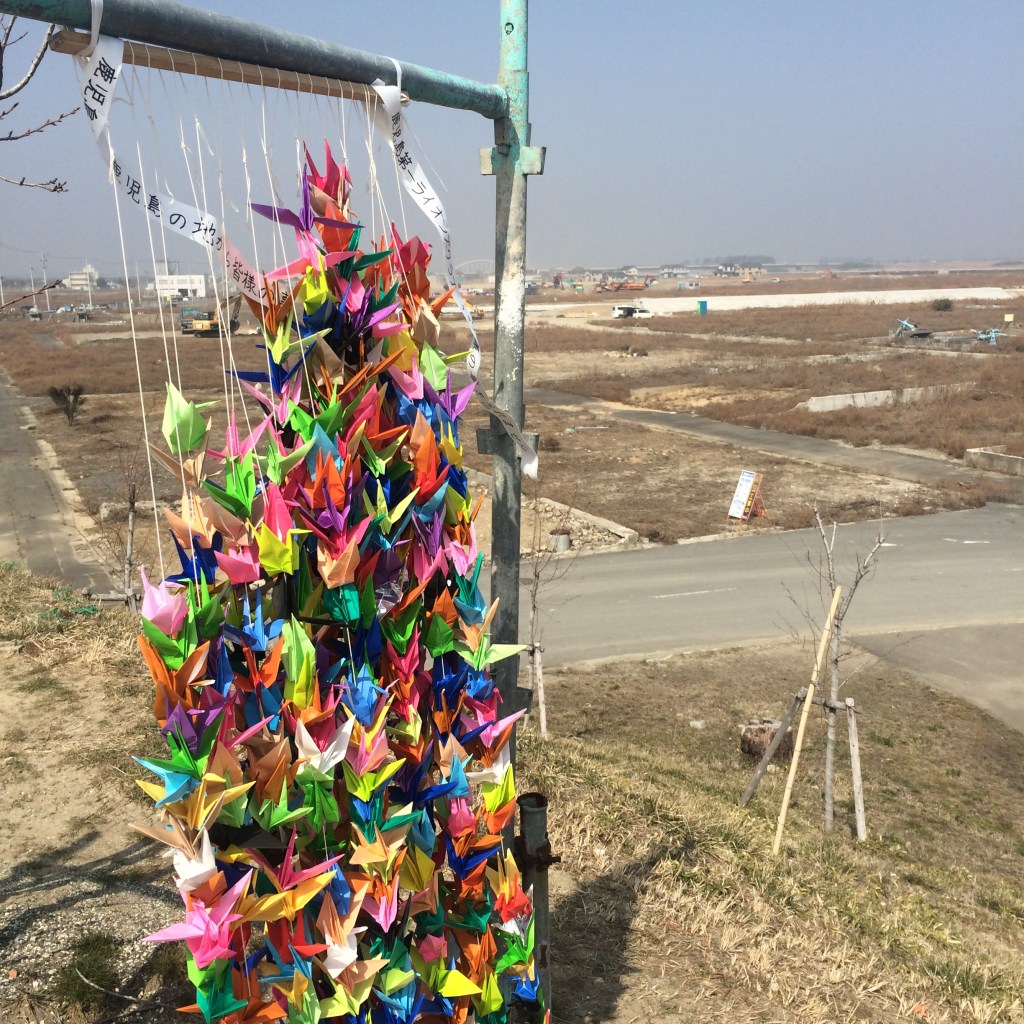
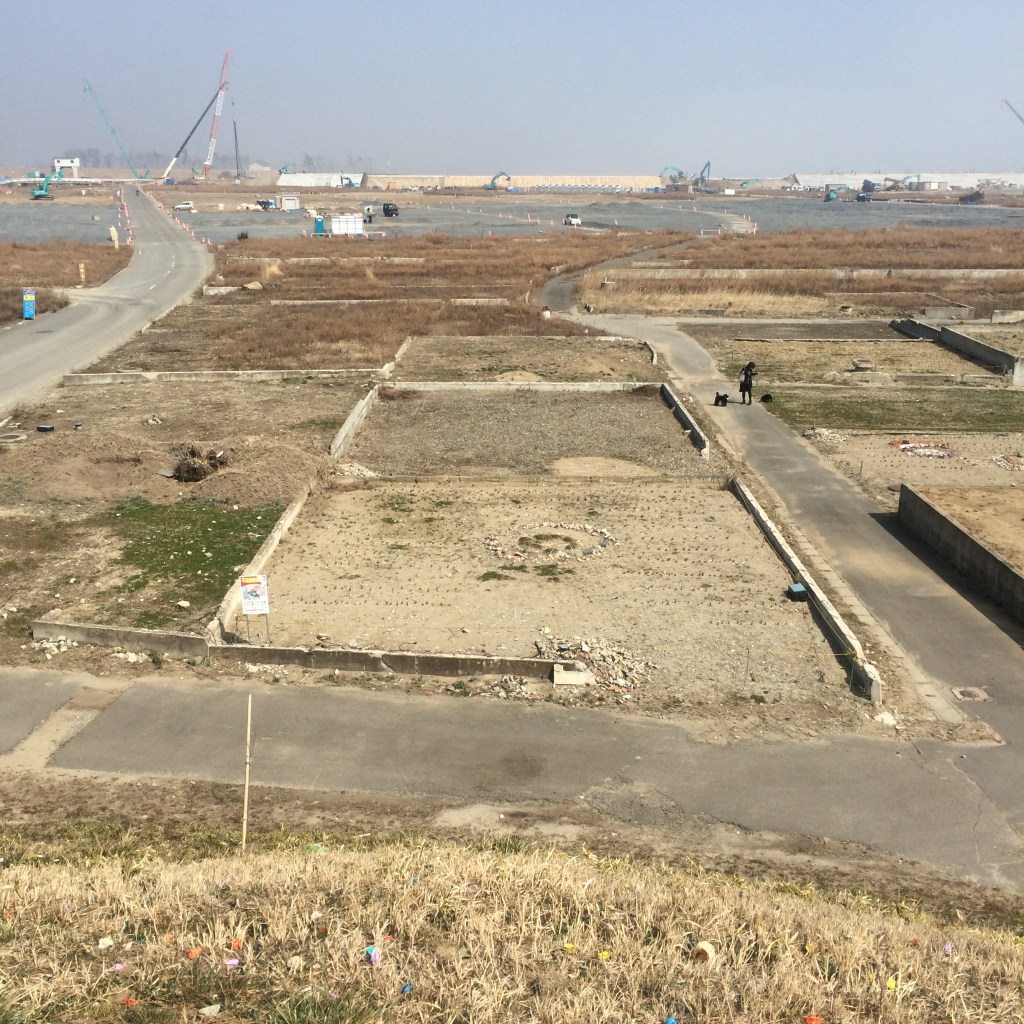
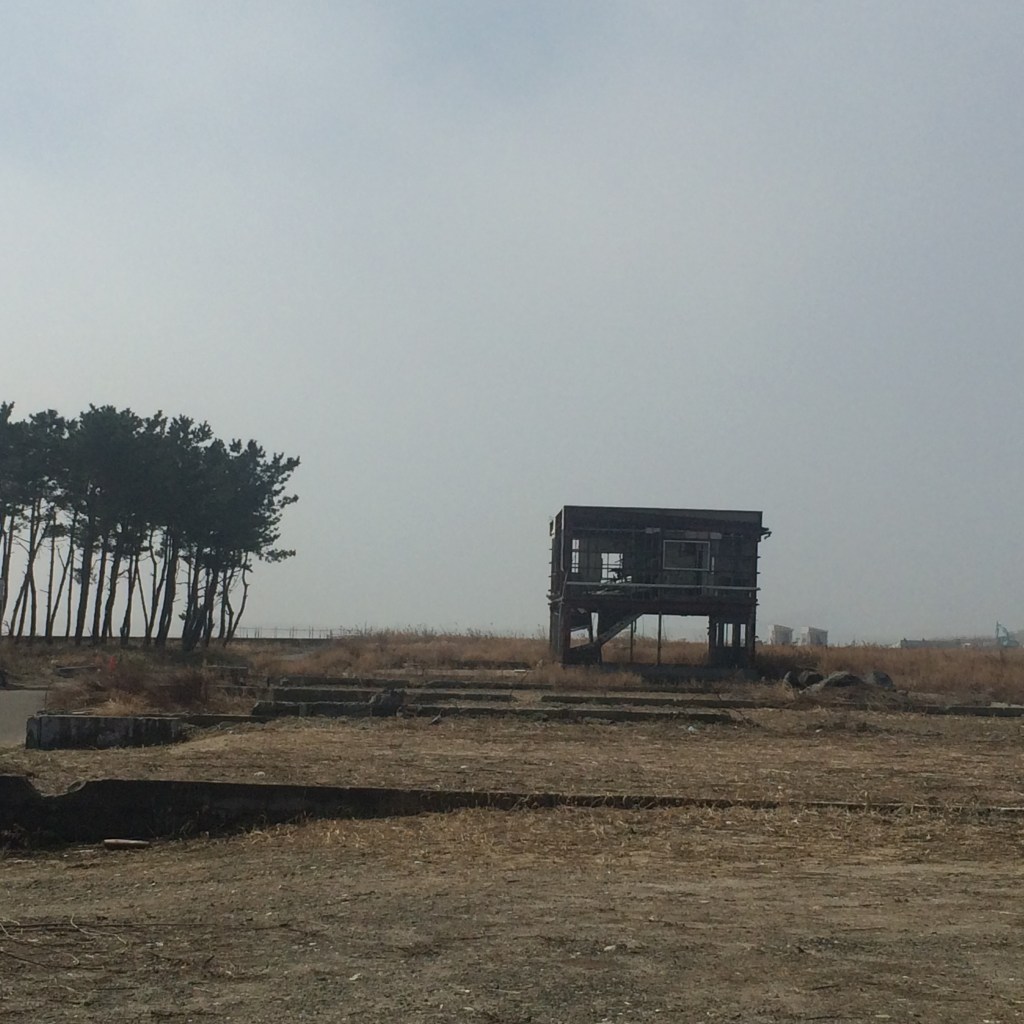
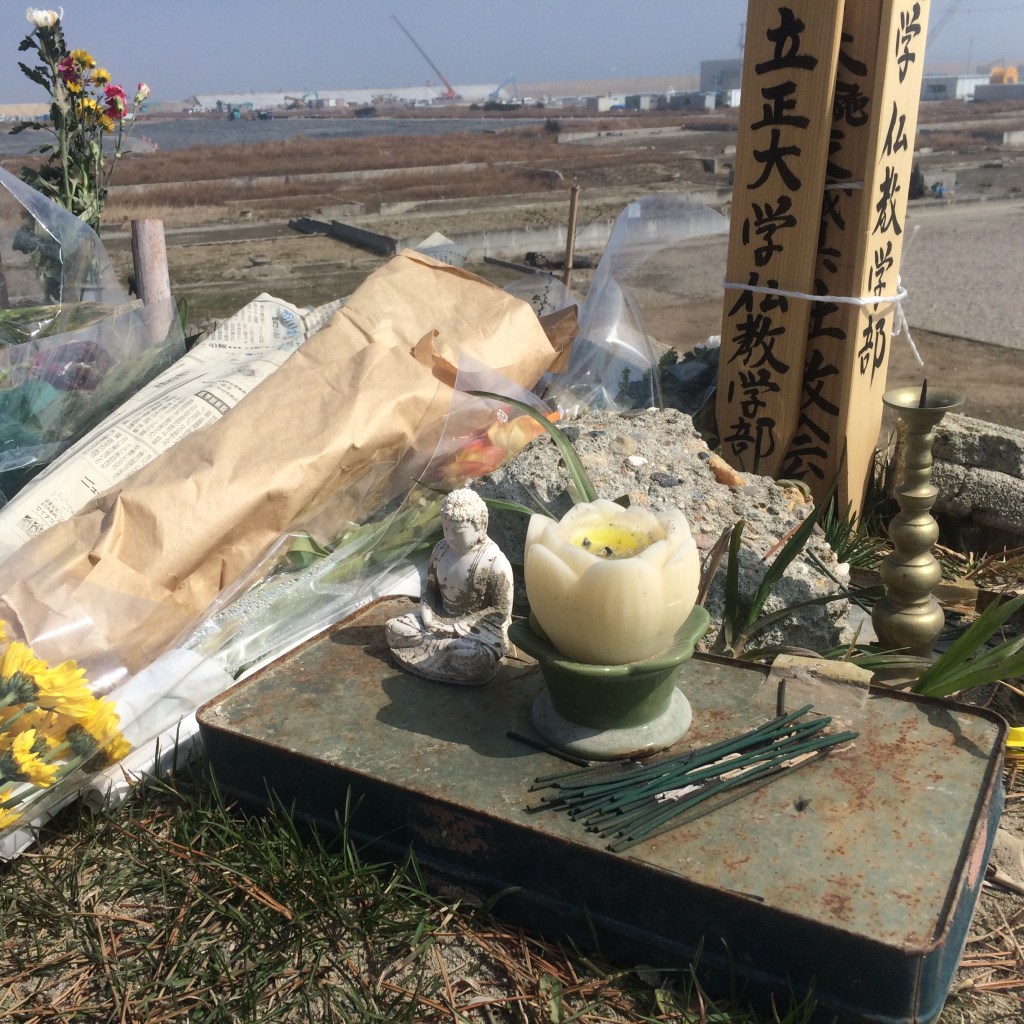
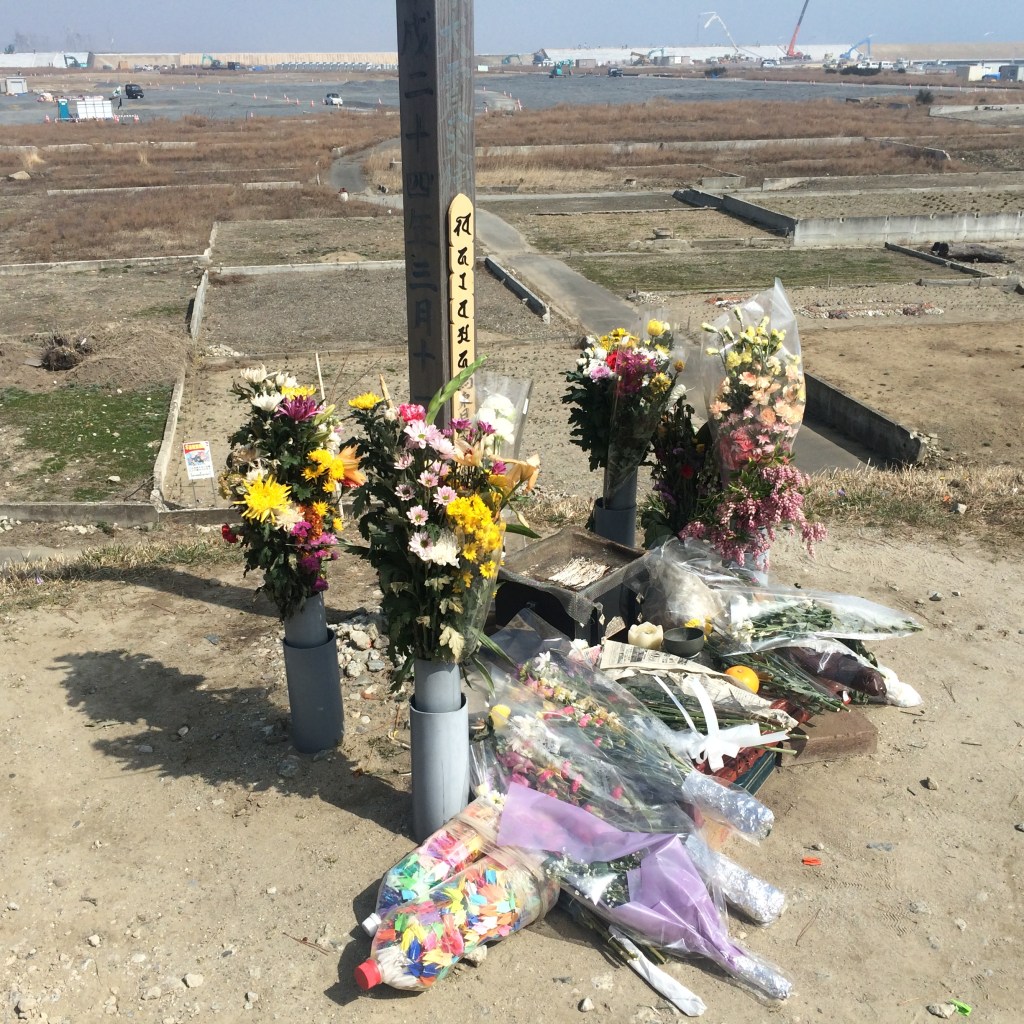
Author’s own images from a UNISDR study tour to the Fukushima coastline where there used to be a village prior to the 3/11 tsunami. The memorial marks the site of an ancient mound that was just above the level of the water, which serves as a reminder of the importance of listening to indigenous knowledge within communities.
This white paper was originally published by DRI International in 2015.

