
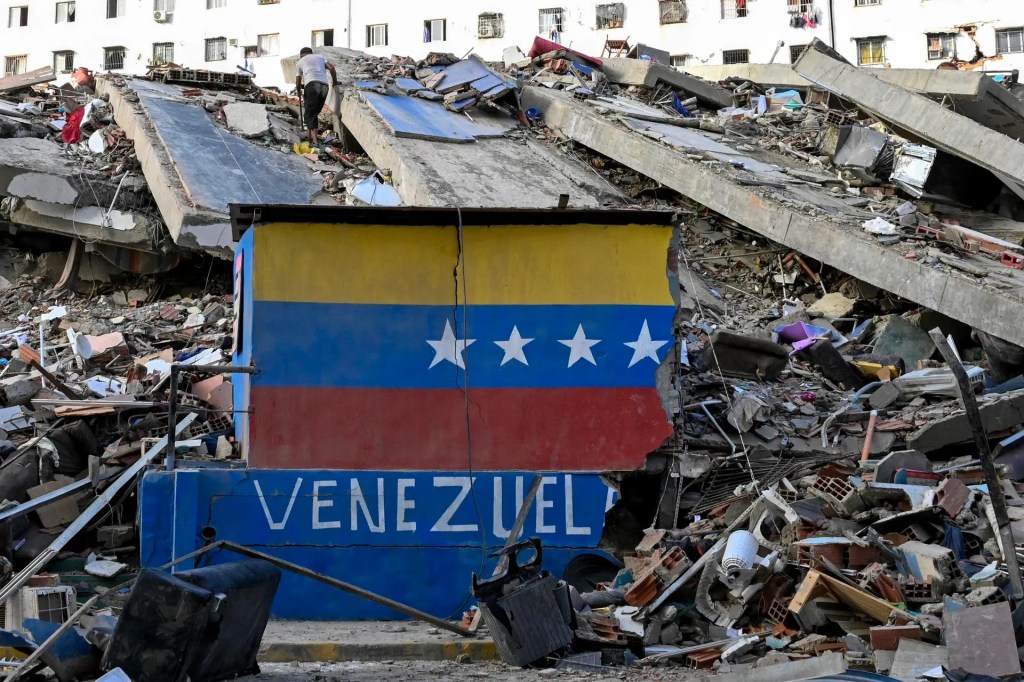
Later this week marks the one month anniversary of the two massive earthquakes that hit Venezuela on June 24, 2026. The death toll has surpassed 5,000 lives while tens of thousands remain missing.
Natural disasters easily turn into manmade tragedies, like in Venezuela. Tech innovations show promise, but leaders must address implementation before the next big quake.
Venezuela’s devastating June 2026 earthquakes, which killed over 5,000, highlight a critical global preparedness gap. Earthquakes are sudden, costly, and often lead to complacency due to infrequent major events, as seen with the New Madrid Fault or the Pacific Ring of Fire.
While innovations like Google’s Android alerts and subsea cable seismic detection offer promising early warnings, they are insufficient without robust infrastructure and public awareness.
The article stresses that poor construction, exemplified by Venezuela’s crumbling public housing, turns natural disasters into manmade tragedies. Effective building codes, retrofitting, and sustained investment in preparedness are crucial worldwide, but leaders must invest now.

