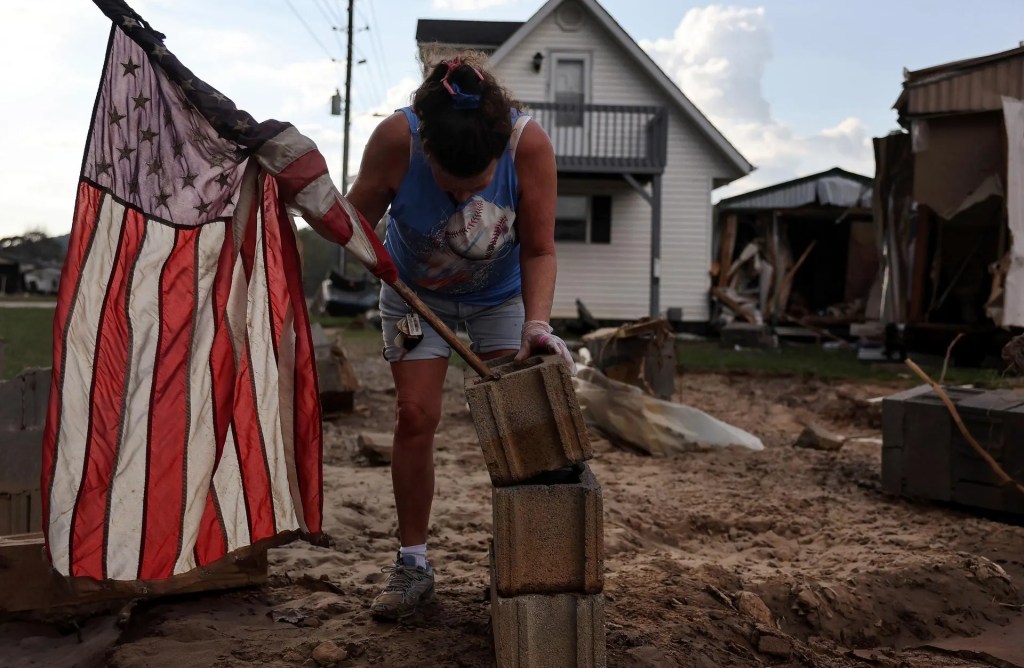
My latest Forbes article is on the legacy of physical and virtual storms two years after Hurricane Helene. Beyond the physical damage, a virtual storm of misinformation, deepfakes, and conspiracy theories erupted, leaving an enduring legacy. What are the leadership lessons?
Hurricane Helene, a Category 4 storm, made landfall on September 26, 2024, becoming the deadliest U.S. hurricane since Katrina with 250 fatalities. It caused widespread destruction across eight states, particularly devastating inland areas of western North Carolina. Just thirteen days later, Hurricane Milton further strained resources.
Beyond the physical damage, a “virtual storm” of misinformation, deepfakes, and conspiracy theories erupted, fueled by the contentious presidential election. False claims, like FEMA withholding aid or government weather control, spread rapidly. This disinformation led to real-world threats against emergency workers and delayed relief efforts, severely damaging FEMA’s public trust.
What can leaders do when faced with their own physical or virtual storm? I emphasize the need for leaders to prepare for such targeted misinformation campaigns by building trust and developing strategies to counter false narratives during crises.
Also, come debate solutions with me at my upcoming NYU SPS Center for Global Affairs roundtables! Advancing Disaster Risk Reduction, October 13 and Rethinking Readiness, October 22. View Events for more information.
Read the full article here.

